One year on from deadly Laos methanol poisoning, this survivor is demanding justice

Late last year, Bethany Clarke was chasing the trip of a lifetime through southeast Asia with her best friend. Today, saddled with grief, she’s left wondering how an evening out drinking could have turned her life upside down.
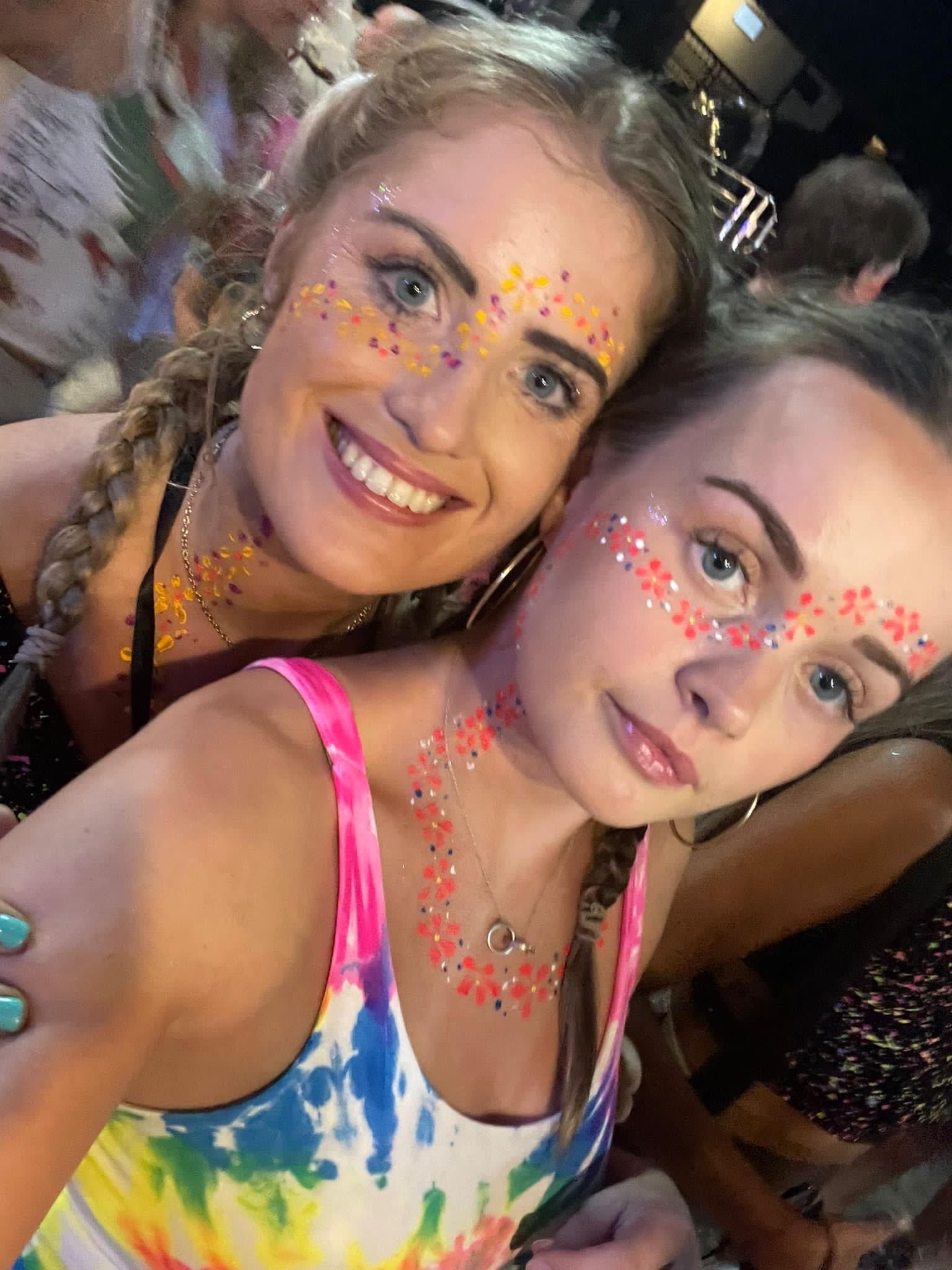
Clarke and her friend Simone White, both 28 at the time, were on a night out in Laos when they drank what turned out to be methanol-tainted vodka at a Vang Vieng hotel.
While Clarke survived the poisoning, her friend and five other foreign travellers died, in an incident that sparked global concern about the dangers of tainted liquor as well as calls for accountability.
The two Britons started their journey with a meet-up in Cambodia – Clarke was working in Australia at the time. They travelled through Vietnam before making their way to the party town of Van Vieng, famous for its dramatic limestone cliffs, blue lagoons, and river tubing. The town is one of the main stops on the popular “Banana Pancake Trail”, a backpacker circuit that winds through Vietnam, Laos, Thailand, and Cambodia.
Vang Vieng is unusually empty this high season, a trickle of tourists, deserted bars and quiet streets painting a stark contrast to recent years when the town was packed with visitors from across Asia and Europe.
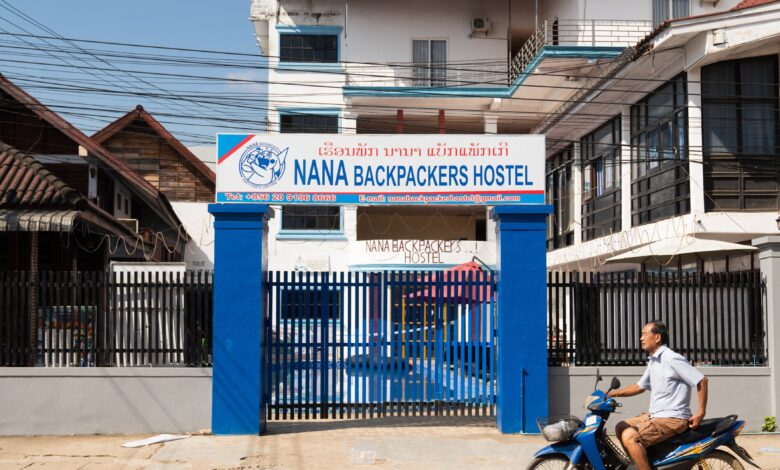
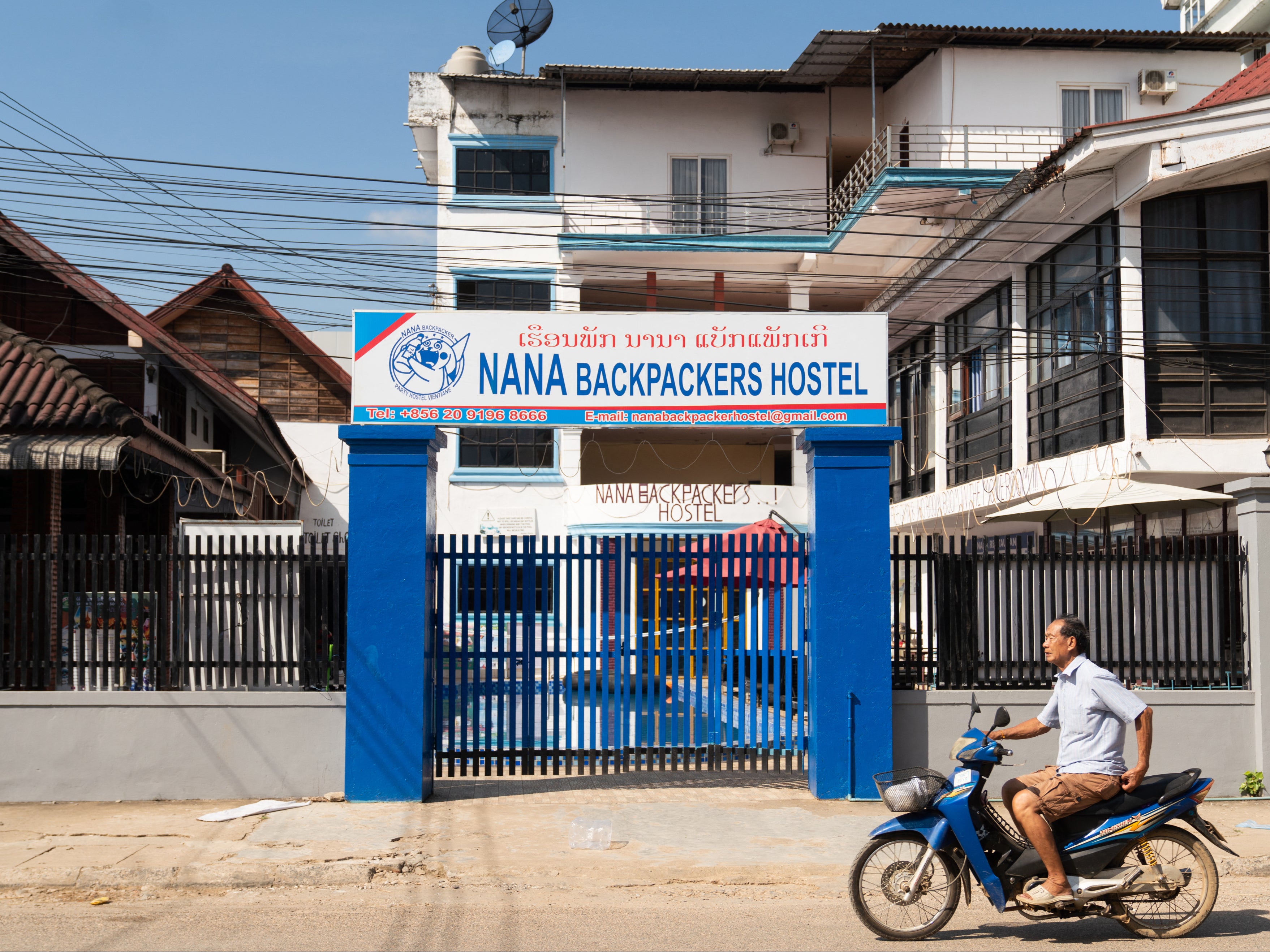
After arriving in the town in November 2024, Clarke and White went for free happy hour shots at the Nana Backpackers Hostel.
They downed five or six drinks poured from two different bottles, joining a crowd of fellow travellers.
Nothing about the taste of the vodka seemed out of the ordinary, Clarke says. And it wasn’t until later the next day, when they were on a bus to Vientiane city, that they realised they were sick.
They had woken up with grinding hangovers, which grew worse during kayaking at the Blue Lagoon. On the bus ride, though, their symptoms worsened, with White vomiting and Clarke fainting and hitting her head.
The group of travellers they were with argued over whether it was a result of food poisoning, a hangover, or some virus, until someone finally said in the evening they needed a hospital.
“It was probably at the Blue Lagoon that I realised that something wasn’t quite right because Simone wasn’t very chatty and she wanted to sort of sit down a lot and lie down,“ Clarke recalls, telling The Independent that she herself felt tired, dizzy and disoriented.
“Both of us were just having to lie on our backs on the kayaks staring up at the sky waiting for the tour to end.”
White got sicker. Doctors later found her brain was swollen, crushing into her skull. Shortly after, on 21 November, White’s parents made the soul-crushing decision to turn off her life support.
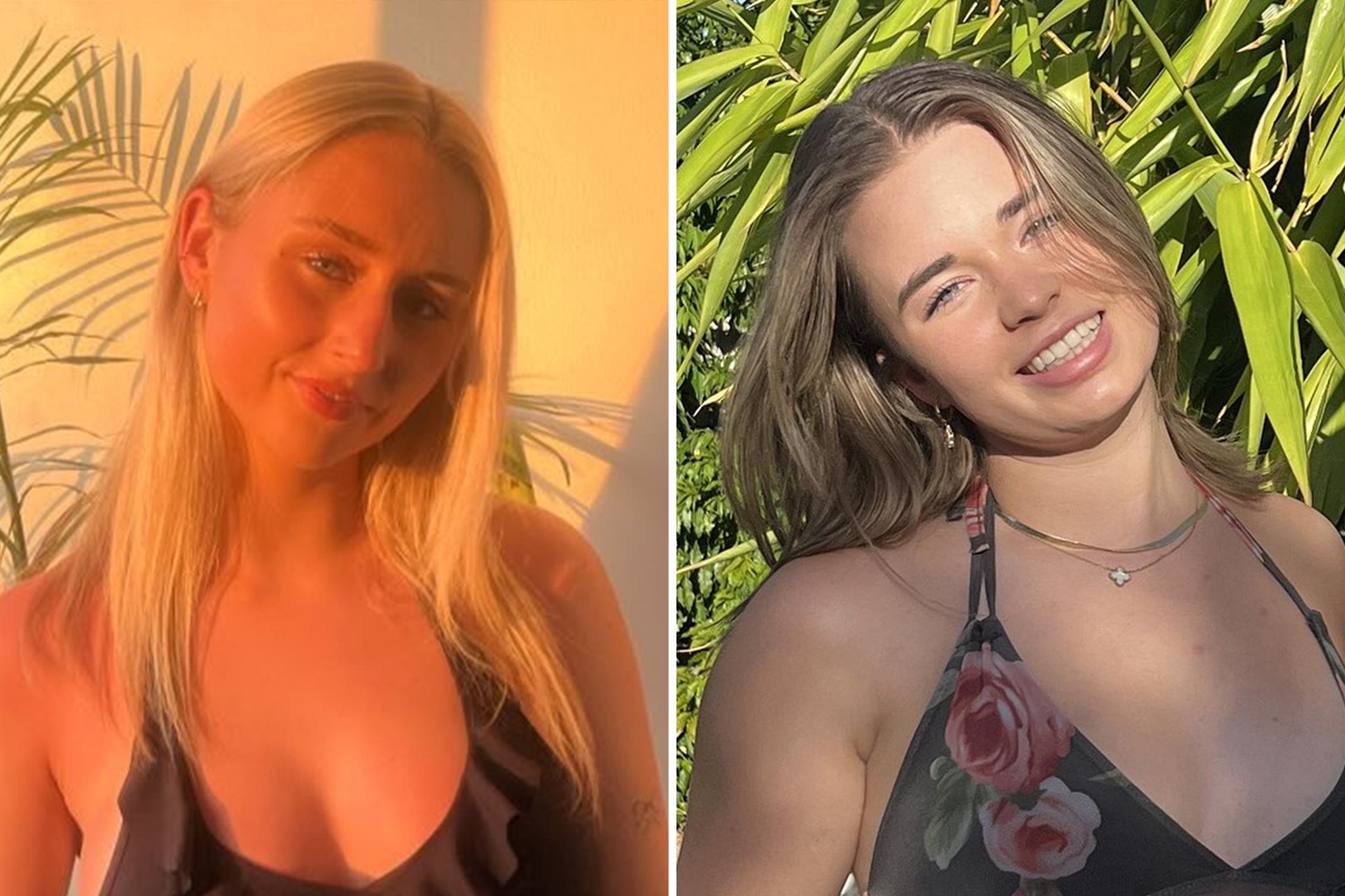
White was a lawyer from Orpington in southeast London. She was one of six people who died at the Nana Backpackers Hostel last year after consuming alcohol suspected to be tainted with methanol. The other victims were Australians Holly Bowles and Bianca Jones, both 19; American James Louis Hutson, 57; and Danish backpackers Anne-Sofie Orkild Coyman, 20, and Freja Vennervald Sorensen, 21.
„We never got her blood methanol result because they just whisked her straight into dialysis,“ Clarke says of her friend.
Clarke was one of six survivors. Another was Calum Macdonald, who was left blind as the toxin ravaged his optic nerve.
Macdonald had taken the happy hour vodka shots the night before Clarke and White. The next day, he said he saw „kaleidoscopic light“ before losing his sight.

A year on, friends and families of the victims are channelling their grief into a campaign for greater awareness about the dangers of methanol poisoning, while accusing the Laotian government of failing to deliver justice amid reports the hostel is looking to reopen.
Clarke started a petition early this year calling for methanol poisoning lessons to be included in school curricula in the UK and Australia.
She is also advocating for airport signage and in-flight magazine warnings about the dangers of methanol-laced spirits.
“We set up the ‘Simone White Methanol Awareness’ campaign in April, and we were really trying to push our parliamentary petition in the UK which we ended up getting 12,000 signatures to get education into schools, and we managed to do that now with support from some of the local MPs in the Kent area,“ she says. “We have managed to get it on the curriculum from September 2026, but only in England and Wales. So we have got somebody trying to lead to get it up in Scotland as well as Northern Ireland.
“It’s kind of getting somewhere,” she says, “and I’m actually surprised that we managed to do it so quickly.“
In November, the Foreign Office issued travel warnings for 11 additional countries where visitors faced the risk of methanol poisoning, citing “a rise in cases of death and serious illness”.
There are 27 countries on the list now, including Laos.
“If you’re drinking spirits overseas, stick to trusted places and avoid homemade alcohol or free shots,” Foreign Office minister Hamish Falconer urged travellers. “If something feels off, like a hangover that’s way worse than normal or vision problems – get medical help fast.”
Methanol, an industrial alcohol found in products like antifreeze and screen wash, is highly toxic and causes severe and often fatal damage when ingested.
The Health Security Agency says it causes “coma, convulsions, blindness, nervous system damage and death”. Just 10ml – about two teaspoons – can cause blindness or neurological damage and 25ml can prove fatal.
The Methanol Institute, a global trade association for producers, says the industrial alcohol “is often deliberately and illegally added to alcoholic beverages as a cheaper alternative to ethanol in countries where taxes on legitimate alcohol, or the cost of legitimate alcohol, might be perceived as too high.”
Poisoning can also occur when improperly brewed homemade liquor yields methanol instead of ethanol.
The first signs of poisoning include nausea, vomiting and abdominal pain, breathing difficulty, tiredness, confusion, and dizziness. Further symptoms appear 12-48 hours later and can include headaches, blurry vision, trouble looking at bright lights, tunnel vision or seeing static – like that on an old TV screen, or complete blindness, seizures and coma.
The charity Médecins Sans Frontières compiled data that showed 1,000 incidents of suspected methanol poisoning across 80 countries– each typically affecting multiple victims – over the past 25 years. At least 41,000 people suffered methanol poisoning and 14,600 died, according to the data.
In late 2025, a major incident of poisoning from methanol-tainted alcoholic drinks in São Paulo, Brazil, killed at least 11 people. Several people were admitted to intensive care with severe symptoms like blindness.
Clarke, as a part of her campaign, produces online videos with tips about how to avoid methanol poisoning and recognise the symptoms.
She suggests that testing strips can help save lives if people are able to check whether their alcohol is safe enough to drink. „The best thing spirit companies could do is come together and fund testing strips so that people can just check that their alcohol is safe enough to drink,” she says.
Clarke says there are people “willing to create prototypes” for testing strips, but they lack funding.
„I think that our ultimate goal, in the long run, is to get testing strips. Even if it takes five years, 10 years or 15, we will just have to keep plugging away at it because it is something that would save a lot of lives,” she says.
„It is more about prevention than cure and the ultimate cure is the fomepizole, but it is not always available,” she says, citing the example of Brazil having to source the antidote for methanol poisoning from abroad after the recent incident.

Clarke says Britain can do better in its efforts to raise awareness and press Laos to secure justice for the victims.
White’s family say they have had to chase the UK government for new information on the investigation. “I’d love for there to be a push from the prime minister to try and get some more information from the Laotian government,“ her brother, Zack White, told BBC News, adding that they received the last substantial update in May.
„I think we’ve perhaps accepted we’re not going to get answers but that shouldn’t be the case. There’s been no justice at all, really. We just want to know what’s going on.“
Authorities in Laos have reportedly proposed bringing charges against 13 people on offences linked to food safety breaches that won’t find anyone legally responsible for last year’s deaths.
The owner and staff of Nana Backpackers Hostel were reportedly released “because there is not sufficient evidence to extend their detention according to the law”.
Seema Malhotra, Foreign Office minister for the Indo-Pacific, says the government is “tackling this issue head on”.
“The effects of methanol poisoning are devastating. I’m grateful to the family of Simone White for their ongoing engagement – their determination to prevent others from facing the same tragedy has been instrumental in raising awareness,” she tells The Independent.
The British embassy in Vientiane, the minister adds, “is urging local authorities to take stronger action against illicit alcohol and we are working with bars and hostels to raise awareness with British travellers”.
In Australia, families of the Melbourne teenagers killed in the incident are demanding action amid claims of a police cover-up. “No family should ever have to go through this. To date, no individual or organisation has been held accountable,” Mark and Michelle Jones told The Daily Telegraph.
Their daughter’s “killers remain free, facing no consequences”, they complained. “With little to no information coming from the Laotian authorities to the families or their governments, it appears these deaths of innocent young women may be forgotten, brushed aside, and left unresolved.”
“We must have justice,” the parents told the paper. “At the very least, they deserve that.”
After the tragedy, the Australian government started issuing text alerts and airport warnings to travellers about alcohol-related risks in certain countries. In September, the government rolled out an online Partying Safely Hub to warn Australians about alcohol risks abroad, adding to the guidance available on the Smartraveller website.
Laotian authorities have reportedly rejected offers of help in their investigation from the Australian Federal Police, who have officers based in the region.
“Your life is worth nothing over there, and we have seen this firsthand, as well as other families that have been involved in this tragedy,” Shaun Bowles and Samantha Morton, parents of the other Australian victim, told ABC.
Australian foreign minister Penny Wong complained that the investigation “so far has not been good enough”.
„What I would say is we’ve made clear to Laos, this matters to Australia,“ Wong told reporters in Melbourne. „It matters to the families, it matters to the community. And we want full accountability, we want transparency, and we’ll continue to make that clear.“
The Nana Backpackers Hostel was reportedly scheduled to reopen with a new name – Vang Vieng Central Backpacker Hostel – this winter. But when The Independent tried to book rooms, they were unavailable. Calls to the hostel’s previously listed numbers went unanswered.
Ms Wong said that she had pressed the Laos ambassador about reports that the hotel might reopen. „I made it clear to him that Australia’s view is that the hostel should not reopen,“ she said.
White’s brother expressed shock and disappointment about the alleged reopening. „I can’t believe it’s trying to reopen,“ he said. “It’s taken six people’s lives.”
The Independent has written to the Laotian government for comment.