

Cricket’s most profitable tournament is set to start this weekend in a significantly diminished form, bereft of both a major qualifying nation and the single biggest fixture in terms of the potential viewership it can attract.
A complicated mesh of diplomatic disputes among the South Asian nations involved, including co-hosts India, mean the T20 Cricket World Cup begins on Saturday under a shadow of geopolitical turmoil.
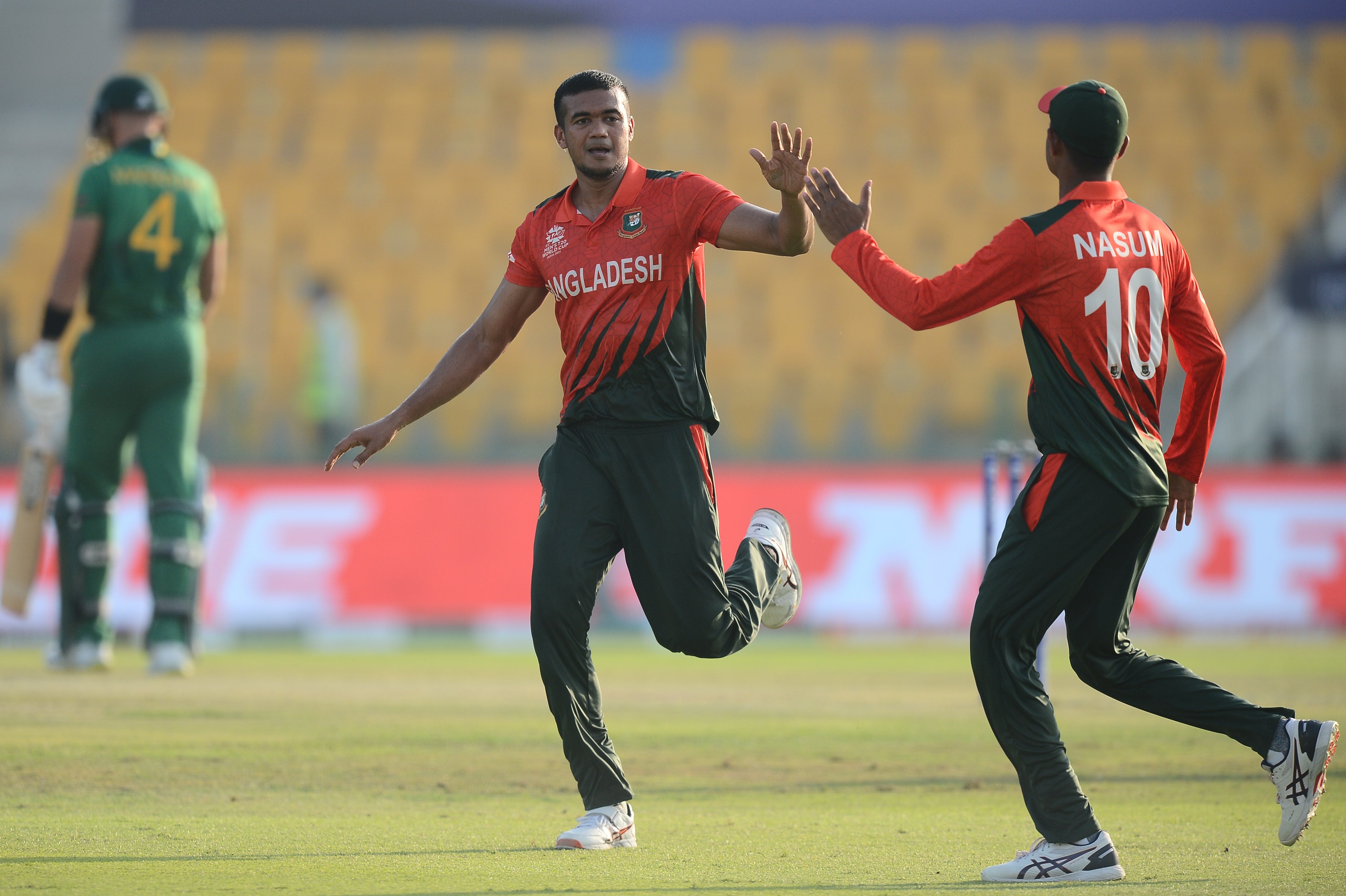
It all began with Bangladesh’s withdrawal from the tournament, kicked out by the International Cricket Council (ICC) and replaced by the next-closest team to qualifying in Scotland. Bangladesh had refused to play any of their scheduled fixtures in India and demanded they be moved to co-hosts Sri Lanka, a request that was rejected.
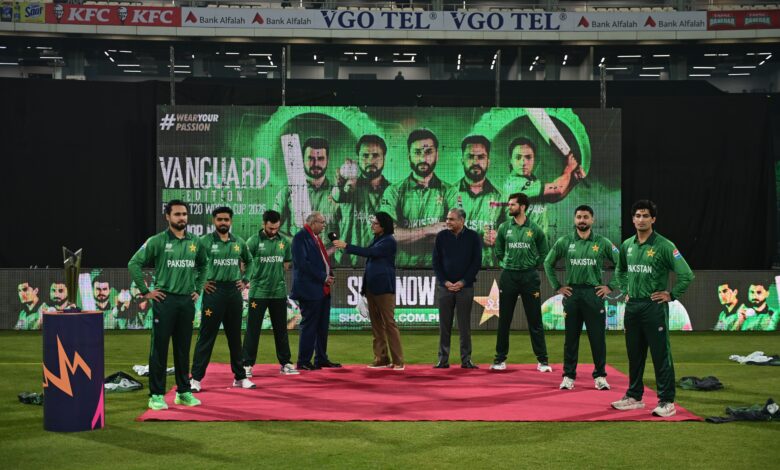
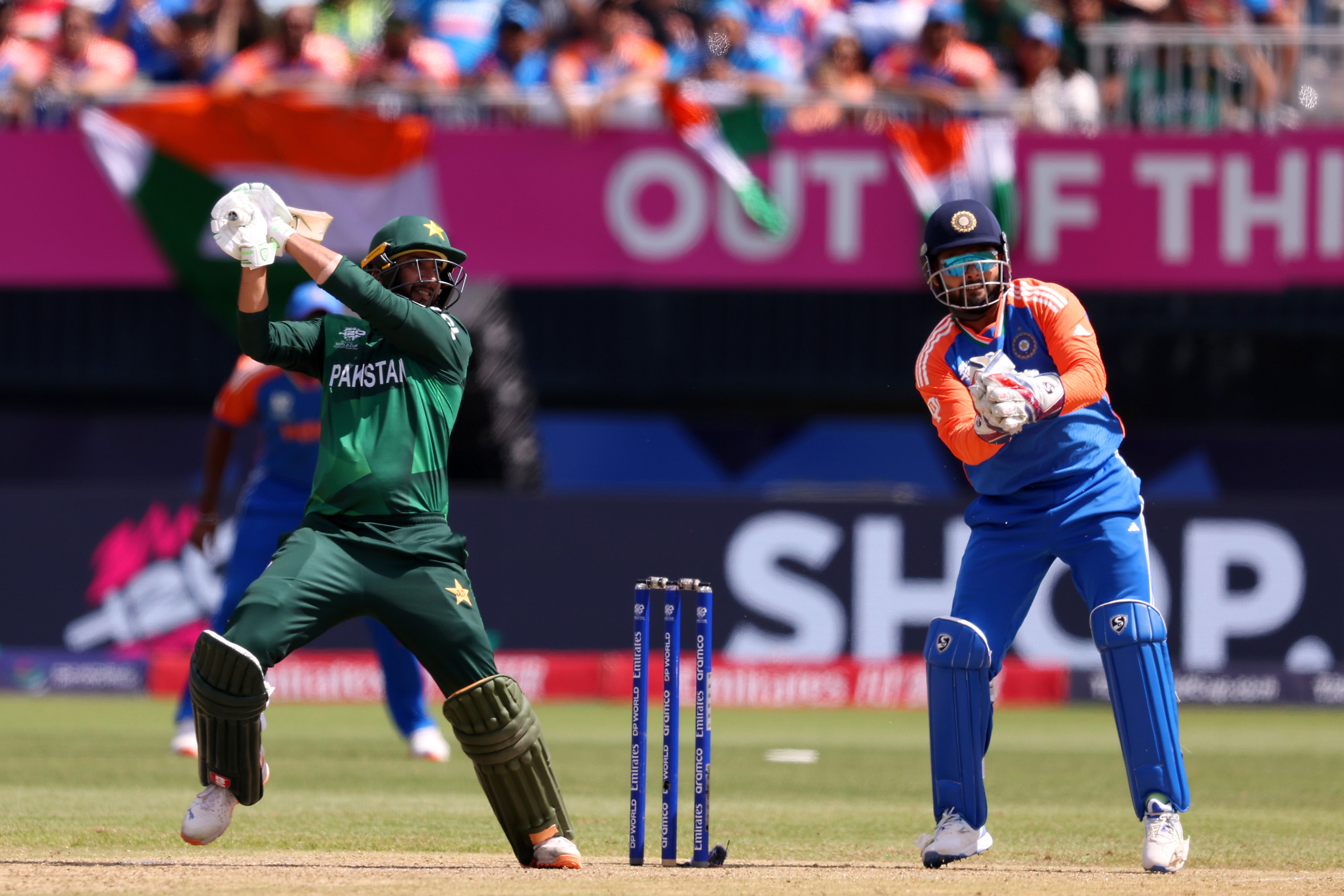
Then, Pakistan announced that they would not play their group-stage match against arch-rivals India, due to take place in Sri Lanka’s capital Colombo on 15 February. No reason was initially given, but Pakistan’s prime minister has since confirmed this was in solidarity with Bangladesh.
These developments have put the Board of Control for Cricket in India (BCCI) at the centre of a dispute blending geopolitics, commercial power, and long-running grievances about how world cricket is run.
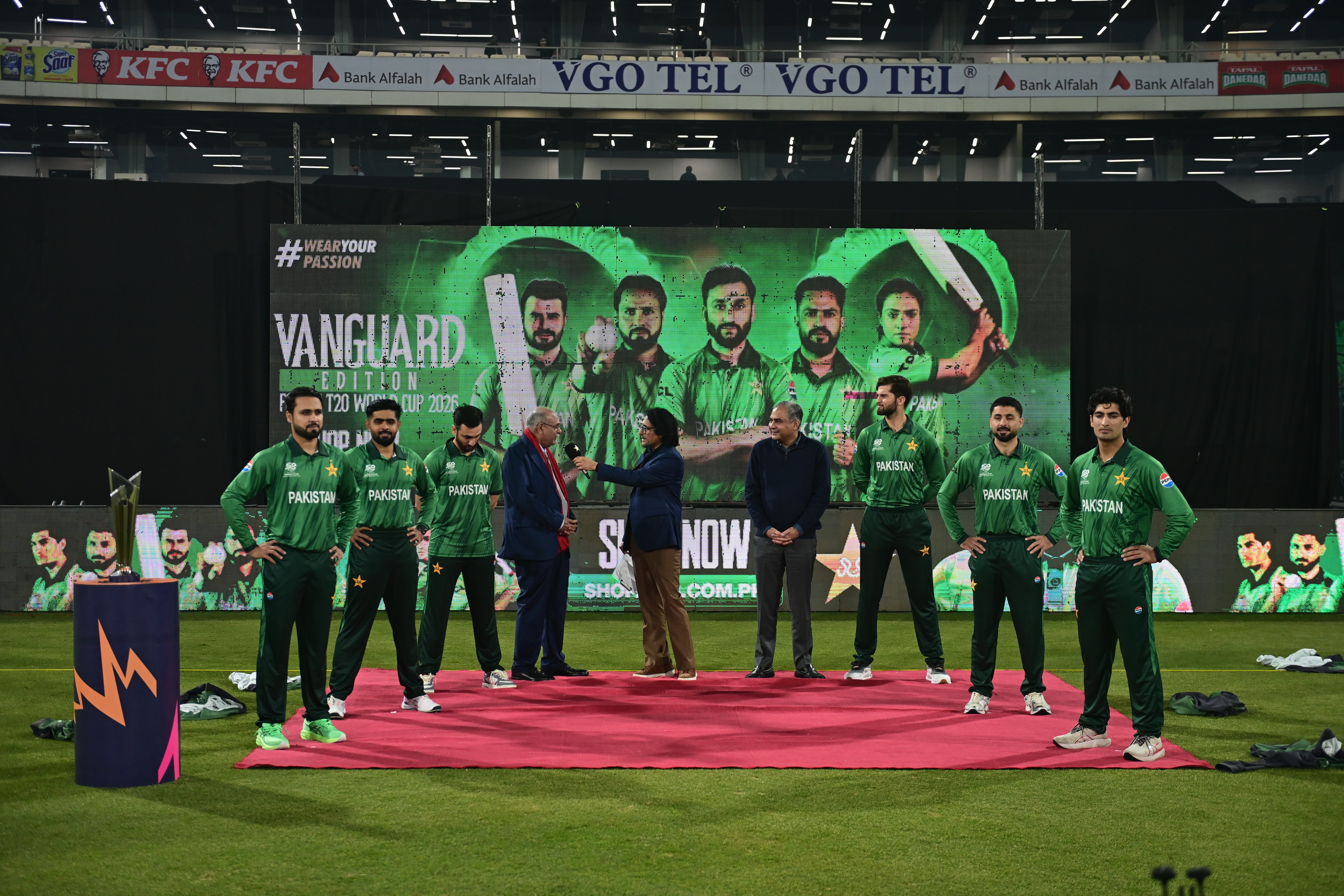
Bangladesh’s withdrawal followed a formal request to move its scheduled matches to Sri Lanka, with the Bangladesh Cricket Board (BCB) citing security concerns for its team and fans amid escalating political tensions between it and India.
Relations have dramatically deteriorated in the past 18 months since street protests brought down the Sheikh Hasina regime in 2024 and compelled the former prime minister, an ally of India, to flee to Delhi. India has ignored Dhaka’s requests for Hasina’s extradition to Bangladesh, where she has been found guilty of crimes against humanity.
Since Hasina’s government collapsed, India and India-based rights groups have repeatedly raised concerns over the safety of members of the Hindu minority in Bangladesh. In December, a Hindu man accused of blasphemy was beaten to death by a mob, triggering protests by Hindu nationalist groups in India.
Against this political backdrop, the Indian Premier League franchise Kolkata Knight Riders released Bangladeshi fast bowler Mustafizur Rahman in January after being instructed to do so by the BCCI.
Bangladeshi authorities responded by banning broadcasts of the IPL in their country.
The BCB then renewed its request for their team’s matches to be shifted out of India.
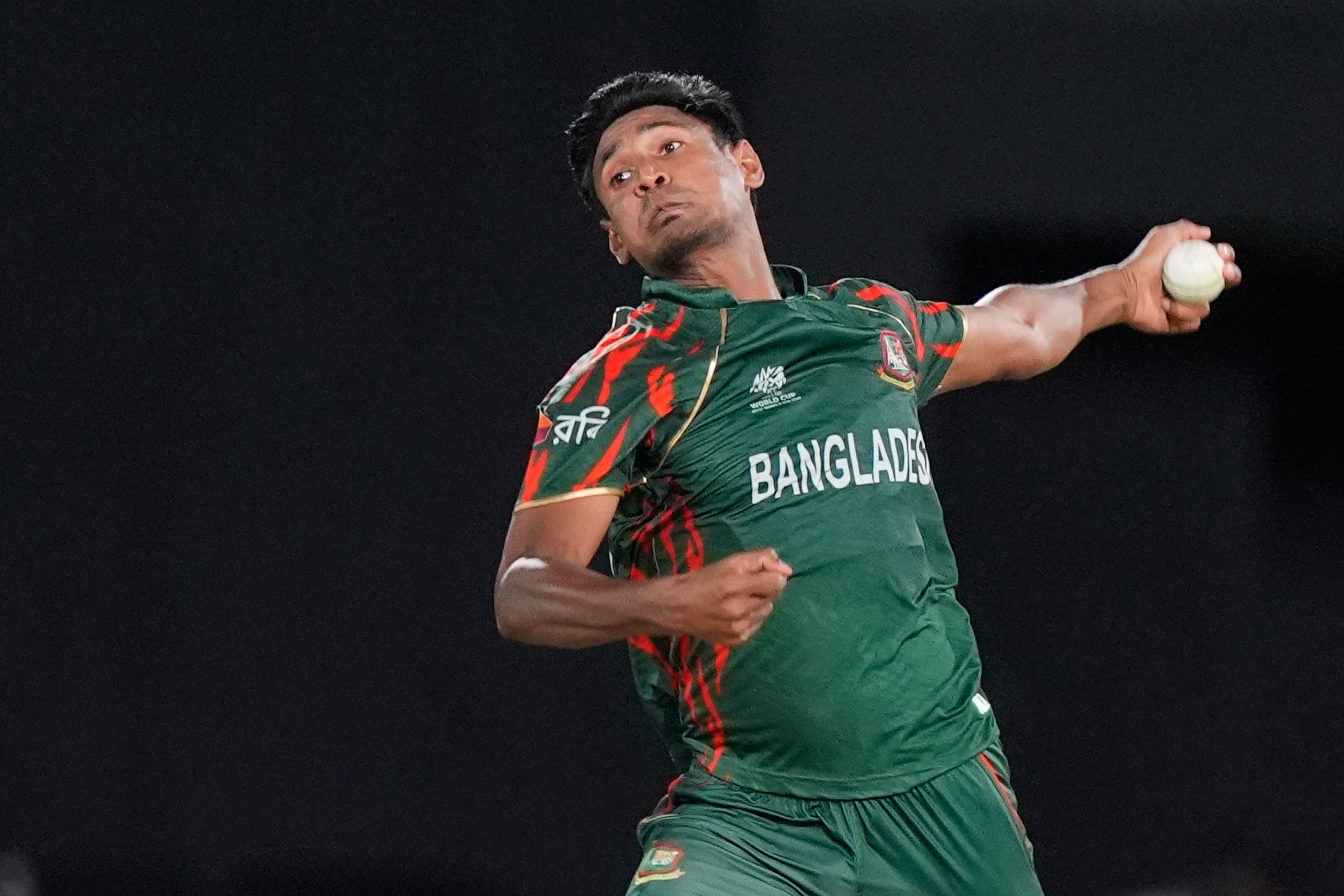
The ICC rejected the request on the grounds of an “absence of any credible security threat”, and gave Bangladesh 24 hours to confirm its participation.
The Independent understands that no efforts were made to provide proof of the security threat faced by Bangladesh’s team, and when the deadline passed, Scotland were invited to take the vacant place. The governing body said it was keen not to establish “precedents that could undermine the neutrality and fairness of ICC events”.
Pakistan initially indicated they might withdraw entirely in response to Bangladesh’s removal. They later confirmed participation but said their team would not play India. Pakistan’s government said it had granted “approval” for the team to compete in the tournament but that players “shall not take to the field” against their arch-rivals.
The India-Pakistan fixture has historically been the most-watched and commercially valuable match in global cricket. More than 600 million people watched on the Indian streaming platform JioHotstar when the teams met in last year’s Champions Trophy.
Cricketing ties between the two neighbours have been shaped by decades of conflict. They have not played a bilateral series since 2013, and India have not toured Pakistan since 2008.
Pakistan did not host any touring nations between 2009 and 2019 following an attack on Sri Lanka’s team bus in Lahore that killed six policemen and two civilians.
Pakistani players have been barred from the IPL since the 2009 Mumbai attacks, which left 174 people dead.
Last year, India refused to travel to Pakistan for the Champions Trophy, eventually playing their matches in the UAE.
That led to an agreement stating that when either country hosted an ICC event, matches between them would be held at neutral venues.
Tensions between the neighbours escalated in the wake of a four-day military conflict last April, sparked by a militant attack on tourists in the Indian-administered part of Kashmir.
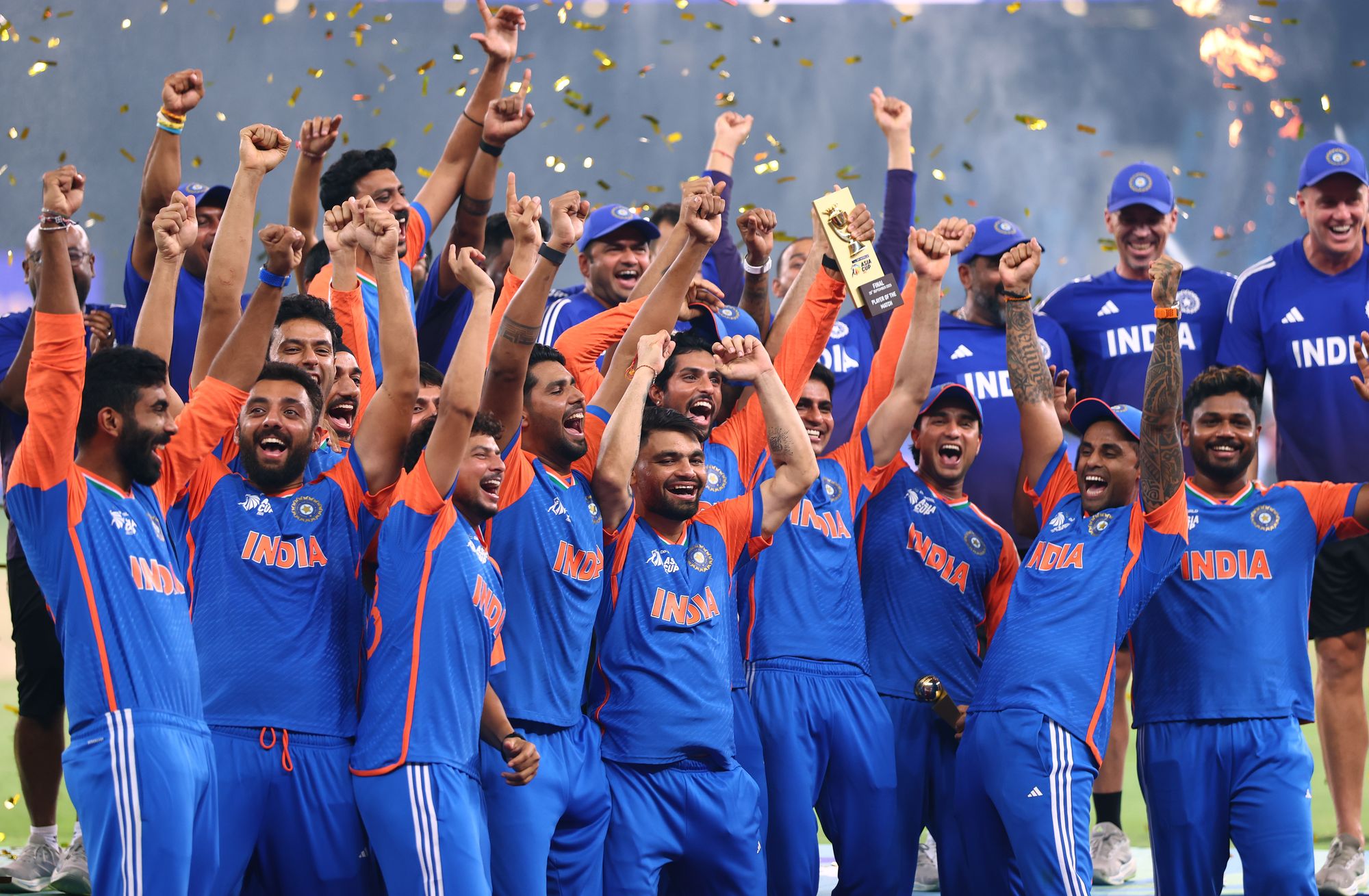
At the Asia Cup in September, Indian captain Suryakumar Yadav declared that his team’s victory in the final was a “perfect reply” to Pakistan.
His team skipped post-match handshakes, later saying: “A few things in life are above sportsman’s spirit.”
Match officials later confirmed the captains had been asked to skip handshakes, prompting protests from Pakistani officials and criticism from Asian Cricket Council chairman Mohsin Naqvi, who called the episode “utterly disappointing”.
India refused to accept the Asia Cup trophy from Naqvi, who is also chief of the Pakistan Cricket Board (PCB) as well as the country’s interior minister. It ended with Naqvi walking away with the trophy.
Former PCB chairman Ehsan Mani, who also served as the ICC chief between 2003 and 2006, told the Hindustan Times the latest row about matches between India and Pakistan was likely a fallout from the Asia Cup.
„You’ve got to look at the background to this,” he said. “I don’t think the PCB chairman was happy with the Indian players’ refusal to shake hands with the Pakistani players at the Asia Cup, then their refusal to take their trophy from him. You’ve really got to look at the whole picture; it’s not a good relationship between the countries, which is sad, because we always worked very closely with the BCCI, and their attitudes have changed significantly.”
He urged the ICC chairman Jay Shah, who is the son of India’s home minister Amit Shah, to engage with the PCB and the Pakistan government over their stance.
“The PCB is simply going to say that it is following government instructions, the same as India did for refusing to come to Pakistan in the last ICC event,” he said. “And this is all very unfortunate. I do hope that the chairman of ICC, after all, he represents all the countries, including Pakistan, is talking to Pakistan to see how they can overcome Pakistan’s position. In fact, he should be engaging not only with PCB but also with the government of Pakistan.”
The ICC responded to Pakistan’s position by calling it “difficult to reconcile” with the premise of global competition.
“Selective participation undermines the spirit and sanctity of the competitions,” it said in a statement and warned of “significant and long-term implications for cricket in its own country”.
While acknowledging the role of governments in national policy, it said Pakistan’s decision wasn’t in the interest of the game or fans worldwide, including millions in Pakistan.
The Independent has reached out to the ICC, BCCI, BCB, and PCB for comment.
Former Pakistan captain Shahid Afridi accused the ICC of mishandling the situation. “It’s regrettable that Pakistan won’t play India, but I stand behind my government’s decision,” he wrote on X.
“This is the moment for the ICC to lead and prove through decisions, not statements, that it’s impartial, independent and fair to every member.”
Former PCB chairman Najam Sethi said the standoff reflected long-standing resentment over how power and revenue were distributed in world cricket. He accused the BCCI, the sport’s wealthiest board, of using its influence to dominate decision-making.
“I’m not a spokesman for the PCB, I’m giving you my view. The PCB consulted the government and they made this decision. There are 10-15 days to go before that match. My sense is that there are negotiations that are taking place, and my hope is that those negotiations will bear fruit,” he said.
Sethi linked Pakistan’s position to wider opposition to the so-called Big Three arrangement, under which India, Australia and England receive the majority of ICC revenue.
“It’s the attitude of the BCCI, that’s the problem. At every stage, they’ve been bullying people,” he said, recalling negotiations during the tenure of former BCCI chairman N Srinivasan.
“Nine members signed on and Mr Srinivasan came to me and said, ‘Why do you want to be left alone, blah blah blah, you will be isolated’, and the rest of it,” Sethi said. He described agreeing to revised revenue terms and an India-Pakistan series that later collapsed. “The contract was fine, but a year later, on the eve of the series, the BCCI, without a word, pulls out,” he recalled. “Can you think of a bigger insult?”
Sethi argued that Bangladesh’s removal had created the conditions for a broader challenge. “They have been treating us very badly. Now that Bangladesh have been snubbed in a sense, we feel there are 400 million people on one side. We can all stand up,” he said. “There may be temporary losses, but at the end of the day, we will get a better, reformed ICC.”
Players have largely deferred to governments and administrators. Pakistan captain Salman Ali Agha said the boycott was beyond the team’s control.
“Well, they are our brothers. I thank them for supporting us,” he said of Bangladesh. “And it’s really sad to see that they are not playing the World Cup.”
The India match, he said, was not in their control. “It was the government’s decision.”
Yadav said India would travel to Colombo as scheduled. “We have not refused to play, they have. We’ve booked our flight and we are going,” he said.
While the ICC continues to hope that Pakistan will backtrack – especially with the governing body having warned of possible sanctions – former BCCI chief selector Chetan Sharma has predicted the PCB will reverse its stance after the 12 February election in Bangladesh, arguing the decision is politically driven.
“What was Bangladesh players’ fault? None. This is politics. Bangladesh has elections on the 12th. After that, you will see a U-turn. There will be a statement saying, ‘Considering public sentiment, cricket shouldn’t suffer, Pakistan will play against India.’ This stance is still about the Bangladesh election only,” he told India Today.
“I’ve been a politician, I’ve contested elections. After the elections, maybe even the military chief will say sport should be kept free of politics and the match should go ahead.”
Former England captain Nasser Hussain questioned whether the ICC had applied its rules consistently.
“If India, a month before a tournament, said ‘our government does not want us to play in a country for a World Cup’, would the ICC have been so firm and said, ‘You know the rules, bad luck, we’re knocking you out?’” he asked on the Sky Sports Cricket Podcast.
Scotland, promoted into the tournament, said preparations had been unusual. “It’s been unique circumstances for us. Preparations have been different than other teams. Every opportunity, we want to make most of,” captain Richie Berrington said.
If Pakistan do boycott the match versus India, their opponent will receive two points. They face the Netherlands, USA, and Namibia in their remaining group games. Only the top two teams from each group progress, leaving little margin for error. It’s unclear what would happen if India and Pakistan were drawn to meet in the final.
There’s precedent for teams refusing to play. Australia and the West Indies declined to travel to Sri Lanka during the 1996 World Cup, while England refused to play Zimbabwe in 2003, citing security concerns. Those teams forfeited the matches but were not fined.
The ICC constitution, however, allows for sanctions where governments interfere in cricket administration and requires boards to operate autonomously.
Zimbabwe were suspended in 2019 on account of government intervention and Sri Lanka lost hosting rights for an Under-19 World Cup four years later following the dismissal of its board.
Cricket analysts say the financial implications of an India-Pakistan no-show will be severe. Former ICC media head Sami Ul Hasan said: “The biggest hit, if the biggest game of the tournament doesn’t take place, will come from media rights.”
The losses will be felt by member boards.
Hasan pointed to the origin of the crisis in the removal of Mustafizur Rahman from the IPL.
“We must remember that this situation arose due to one player’s removal and one administrator’s statement,” he said, referring to comments by BCCI secretary Devajit Saikia, who at the time blamed “recent developments that are going on all across” – a comment widely understood to refer to the protests by Hindu nationalist groups.
.As the T20 World Cup gets started, the ICC says its priority is the delivery of the tournament. It is calling on all members to protect its integrity.
The World Cup is due to begin on 7 February and will conclude on 8 March. Viewers in the UK can watch every game live on Sky Sports. A live stream will be available via Sky Go and NOW.


